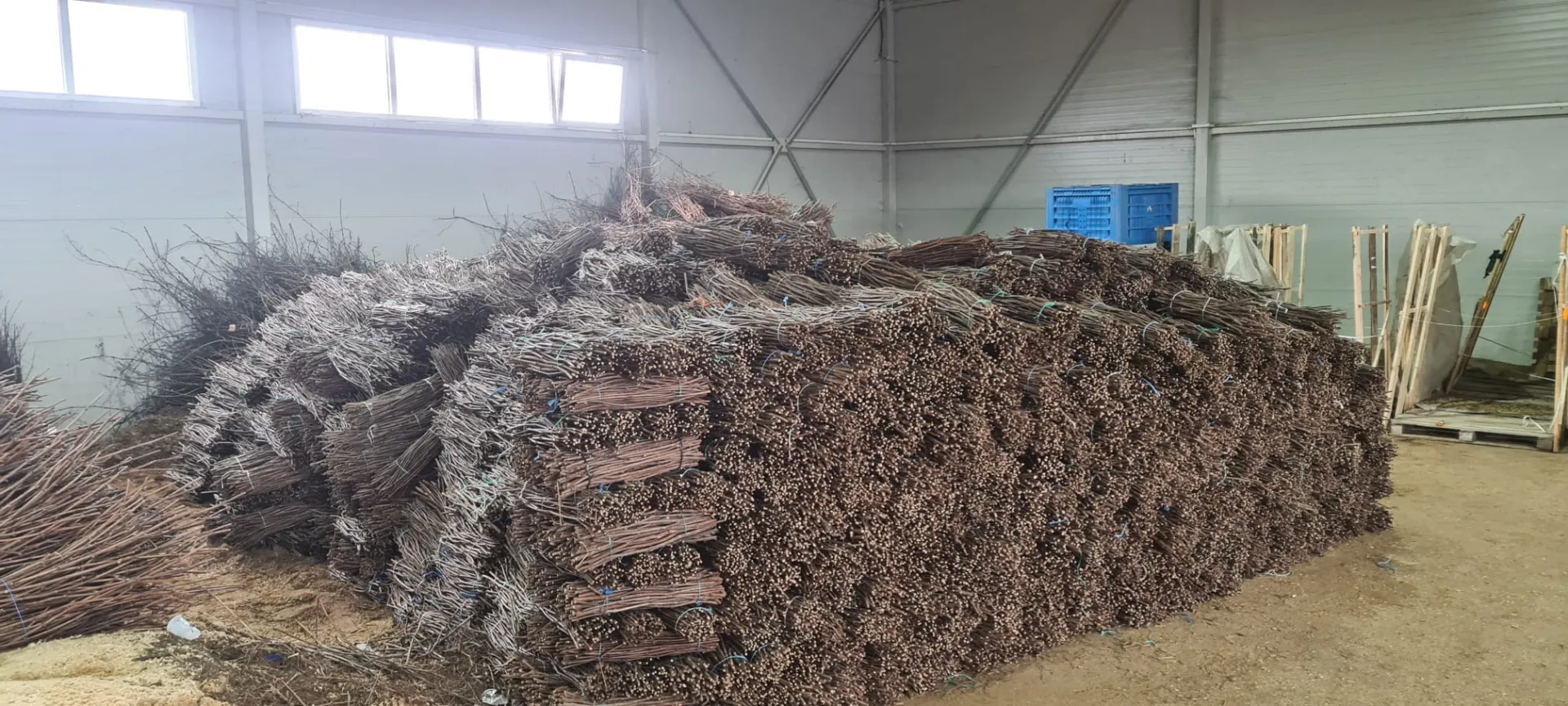
Grafting is one of the oldest horticultural techniques in the world, and at Kalem Voće Miladinović, it remains the foundation of everything we do.
Grafting is one of the oldest horticultural techniques in the world, with records dating back over 4,000 years to ancient China and the Middle East. At Kalem Voće Miladinović, this craft has been passed down through three generations, blending traditional knowledge with modern phytosanitary standards to produce fruit tree seedlings of exceptional quality.
What Is Grafting?
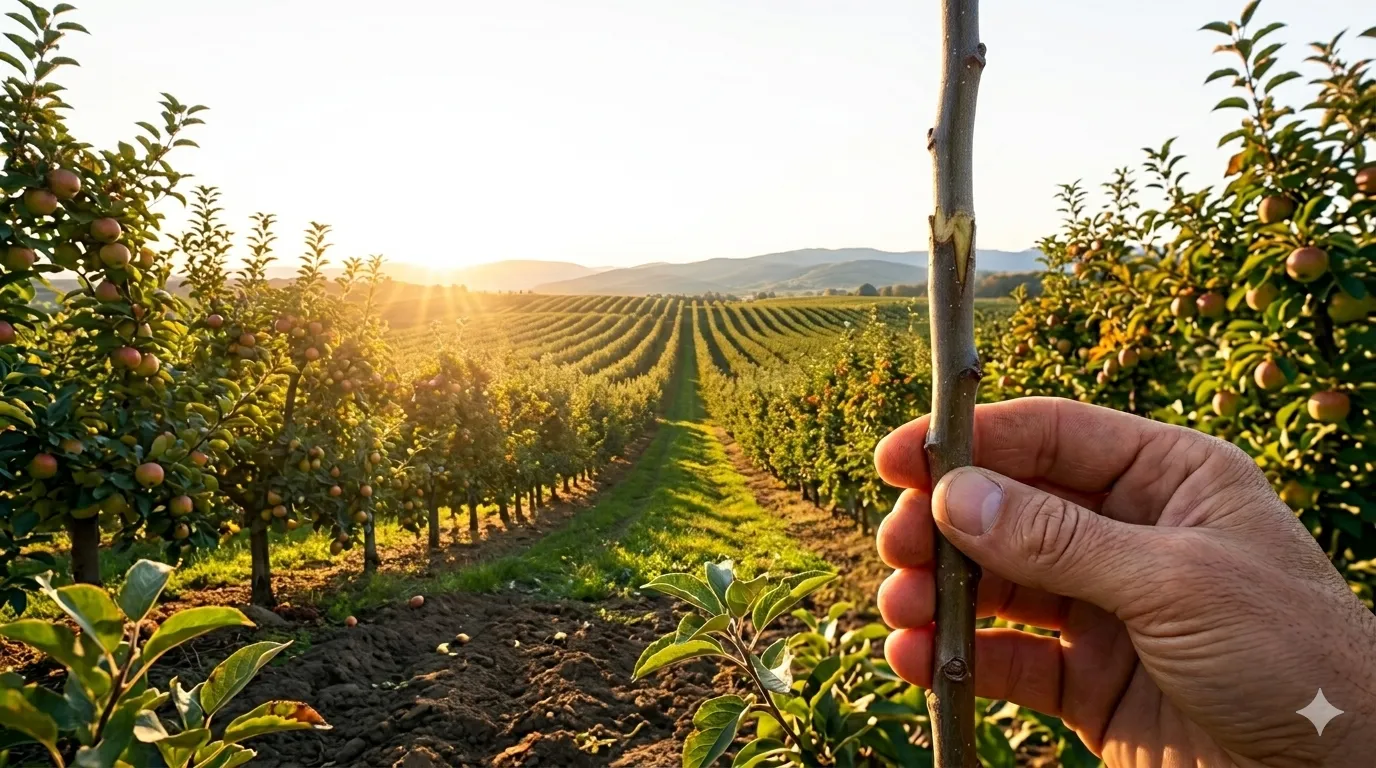
Grafting is the process of joining two plants — a rootstock (the lower root-bearing part) and a scion (the upper productive part) — so that they grow together as a single organism. The scion determines the fruit variety, while the rootstock influences the tree's vigor, size, and resistance to soil conditions.
At our nursery, we primarily use two techniques: bud grafting (T-budding) performed in late summer when the bark is slipping, and cleft grafting carried out in early spring before bud break. Each method has its season, its rhythms, and its demands. Getting either wrong means a lost year.
Why Rootstock Selection Matters
The choice of rootstock is as important as the scion variety itself. For apple, we work primarily with M9 T337, MM106, and M26 — each offering a different balance of tree size, anchorage, and yield precocity. For cherry, we rely on Gisela series rootstocks, which induce early bearing and manageable tree size suitable for high-density orchards.
A grafted tree on the right rootstock will begin producing commercial yields two to three years earlier than a seedling-grown tree, and will maintain consistent fruit quality throughout its productive life.
Our Quality Standards
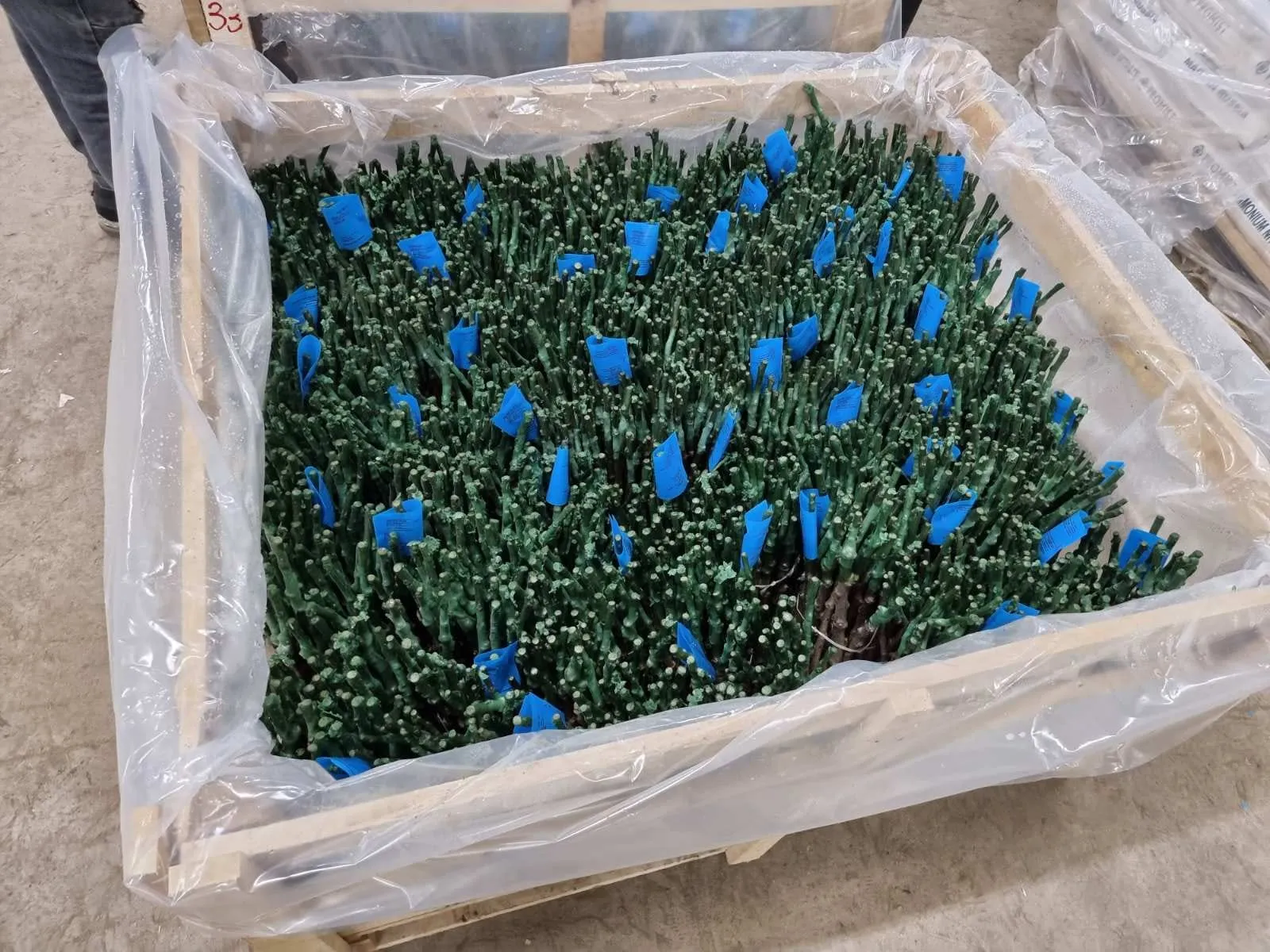
Every grafted seedling that leaves our nursery has been inspected for trueness to variety, freedom from viral diseases, and compliance with export phytosanitary requirements. We cooperate with the Institute for Plant Protection and Environment in Belgrade, and maintain certification under national and EU plant health frameworks.
For us, grafting is not a production line — it is a commitment. Each cut, each binding, each inspection represents seventy years of accumulated knowledge applied to the single goal of delivering a plant your orchard can rely on for decades.